The Reading Room
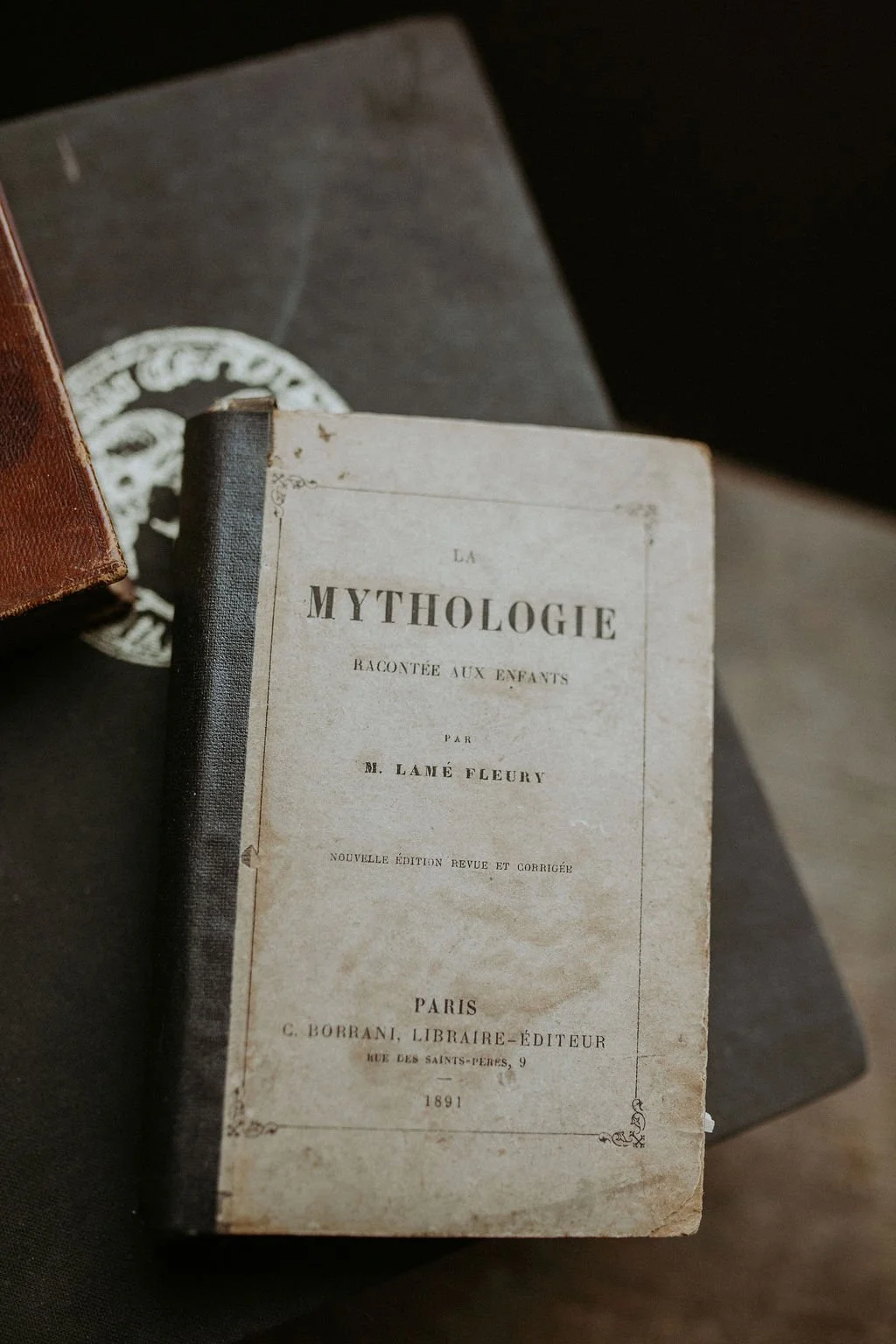
This rare 1891 edition of La Mythologie Racontée aux Enfants is a captivating artifact of 19th-century French educational literature. Authored by M. Lamé Fleury and published in the heart of Paris, this volume offers a charming, historical gateway into the world of classical gods and heroes. Encased in its original time-worn binding, it is an essential find for the bibliophile who finds beauty in the storied patina of antique Parisian books.
A Portal to the Parisian Past
Distinguished Typography & Provenance
Heritage: An authentic Parisian publication from C. Borrani, Libraire-Éditeur, located at the historic Rue des Saints-Pères, 9.
Artistry: The title page features elegant, traditional typography and delicate ornamental corner scrolls, reflecting the refined printing standards of the late 19th century.
Condition: This "Nouvelle Édition" is beautifully preserved with an authentic aged patina, featuring foxing and gentle edge wear that honors its nearly 140-year history.
Physical Characteristics
Binding: Crafted with a deep charcoal cloth spine that provides a sturdy, academic contrast to the weathered, cream-toned paper boards.
Language: Written entirely in French, capturing the original lyrical intent of the author.
Scale: A classic handheld format, designed for personal study or intimate storytelling.
Curated Styling Suggestions
The Scholarly Stack
Style this volume as the crown of a literary collection, perhaps nestled atop The History of the Decline and Fall of the Roman Empire. The juxtaposition of the French mythological text with the monumental history of Rome creates a sophisticated, multi-layered narrative on any bookshelf.
The Global Traveler’s Vignette
Position the book alongside other international treasures, such as the Antique Mongolian Honey Pot or the Period Napoleon Portrait Imported from France. The shared French provenance of the book and the portrait creates a cohesive, "Old World" corner that feels like a private Parisian library.
A Texture Study
Place this book near the Antique Brass Theater Opera Glasses or the Zajecar 24% Lead Crystal Jar. The matte, tactile surface of the 19th-century paper provides a stunning visual rest against the shimmering metals and light-refracting crystal of your other curated pieces.
"A whisper from the schools of 19th-century Paris, this volume turns the legends of antiquity into a tangible piece of history for the modern home."
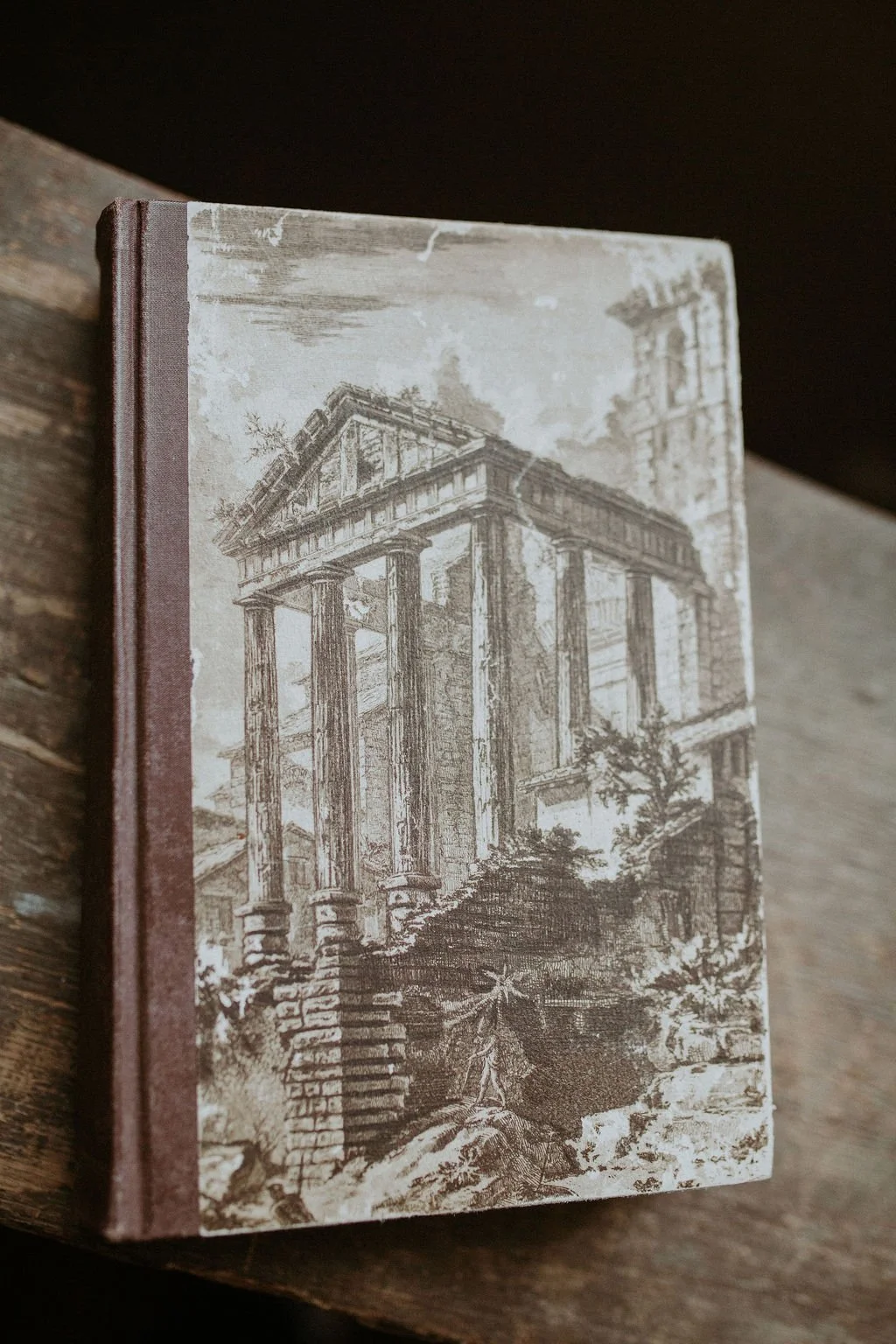
This volume is a visually stunning edition of Edward Gibbon’s seminal work, The History of the Decline and Fall of the Roman Empire. A cornerstone of historical literature, this specific copy is distinguished by its evocative cover art and academic presence, making it a definitive centerpiece for any serious library or "Dark Academia" collection.
Architectural Majesty & Design
The Grandeur of Antiquity
The front cover features a sprawling, sepia-toned illustration of classical Roman ruins, likely inspired by the romanticized etchings of the 18th century. The imagery of towering, weathered columns and crumbling pediments serves as a perfect visual metaphor for the monumental subject matter contained within the pages.
Physical Characteristics
Binding: Crafted with a deep mahogany cloth spine that offers a refined, tactile contrast to the illustrated boards.
Aesthetic: The combination of detailed line work and a somber, earthy palette evokes the feeling of a rare find from a scholar’s private study.
Scale: A substantial hardcover volume that provides the necessary weight to anchor a shelf or a tabletop vignette.
Curated Styling Suggestions
The Imperial Library
Pair this book with the Antique Onyx-Marble Triangular Bookends. The natural, prehistoric veining of the stone complements the architectural ruins on the book's cover, creating a thematic display that honors the permanence of history and the beauty of decay.
A Study in Textures
Position the volume alongside the Antique Brass Theater Opera Glasses or a period Napoleon portrait. The warm metallic tones of the brass and the regal gold of the portrait's easel stand draw out the subtle sepia highlights of the book's cover art, resulting in a rich, layered aesthetic.
The Scholarly Still Life
Place the book at the base of a stack featuring the 1838 edition of Moore’s Melodies. The transition from the textured cloth of the Roman Empire to the smooth, gilt-stamped leather of Moore’s creates a sophisticated chronological and material narrative for your bookshelf.
"A monumental work housed in a vessel of equal gravity, this edition invites the reader to wander through the ruins of an empire from the comfort of a well-curated home."
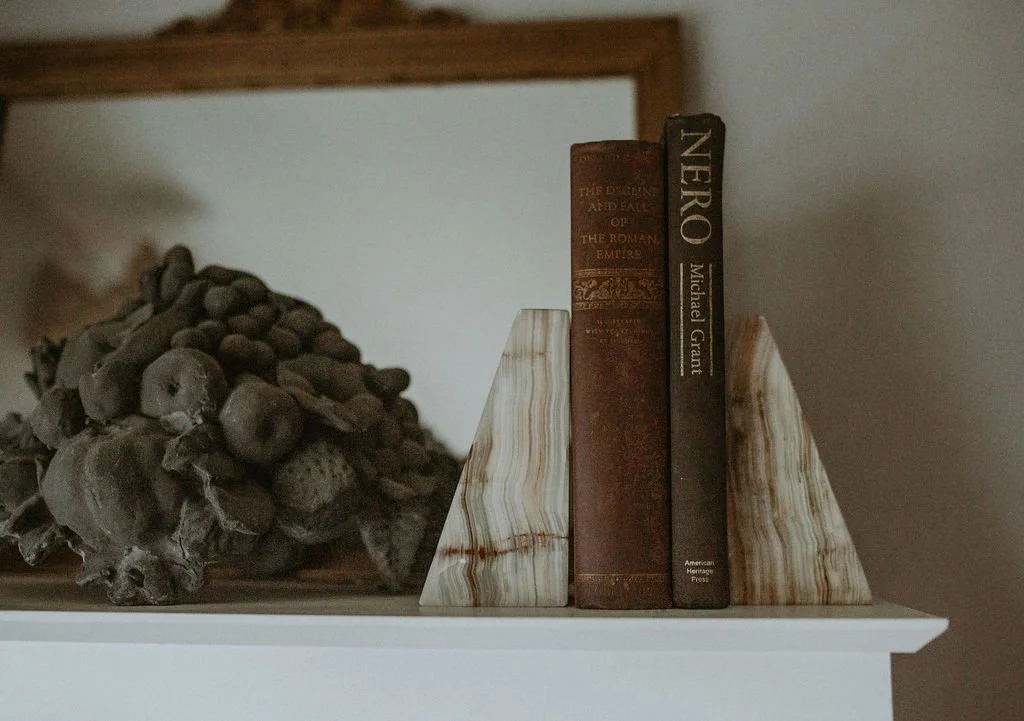
These onyx-marble bookends are a sophisticated marriage of brutalist geometry and the soft, organic beauty of natural stone. Carved into striking triangular silhouettes, they offer a timeless, architectural presence that grounds any literary collection with a sense of "Old World" permanence.
Architectural Form & Natural Artistry
Distinguished Geological Beauty
Each bookend is a unique specimen, showcasing deep, earth-toned veining in shades of cream, rust, and amber. The polished surfaces reveal the prehistoric layers of the stone, creating a mesmerizing visual texture that shifts beautifully under library lighting.
Product Specifications
Material: Authentic, heavy-weighted onyx-marble.
Design: Minimalist triangular form, allowing the natural stone patterns to remain the focal point.
Stability: Their substantial weight ensures even the most monumental volumes—from leather-bound classics to modern art books—remain perfectly upright.
Condition: Excellent vintage condition, featuring smooth, polished edges and a cool-to-the-touch finish.
Curated Styling Suggestions
The Academic’s Mantle
Style these bookends on a white mantle or bookshelf to create a sharp, high-contrast look. Pair them with dark, cloth-bound histories like Gibbon’s The Decline and Fall of the Roman Empire to lean into a classic "Dark Academia" aesthetic.
The Sculptural Vignette
Position the bookends near other organic textures, such as a carved stone fruit cluster or a piece of architectural salvage. The interplay between the polished marble and more rugged, matte materials highlights the sophisticated finish of the stone.
Modern Minimalist Desk
Use a single bookend to prop up a small stack of daily journals next to a crystal and brass casket. The warmth of the marble veining complements brass accents perfectly, adding a touch of luxe materiality to a contemporary workspace.
"A testament to the quiet power of nature, these bookends transform a simple row of books into a curated exhibition of geological art."

Invite a sense of classical discovery into your workspace with this exquisite Vintage Magnifying Glass. A perfect marriage of utilitarian function and high-end artisanal design, this piece serves as both a practical tool and a sophisticated desk accessory for the discerning collector.
Artisanal Design & Texture
Hand-Carved Horn Handle: The standout feature is the curved, genuine horn handle, showcasing a natural gradient of deep obsidian and warm amber tones.
Architectural Ribbing: The handle is meticulously carved with horizontal ribbing, providing a secure, tactile grip and a refined, rhythmic aesthetic.
Polished Silver-Tone Hardware: The heavy glass lens is securely encased in a minimalist silver-toned metal frame, connected to the handle with a sturdy, polished bolster.
High-Clarity Optics: Features a high-quality glass lens that provides crisp, clear magnification for examining fine details in manuscripts, maps, or gemstones.
Curation & Styling
This magnifying glass is the quintessential accessory for a library or study curated with an eye for history:
The Academic Desk: Place atop a stack of leather-bound volumes—such as the Leonardo da Vinci or Michelangelo art books in your collection—to complete a "Dark Academia" inspired vignette.
The Curio Display: Pair with other natural textures like bone, wood, or the vintage copper molds from your gallery to create a rich, multi-dimensional shelf display.
A Distinguished Gift: An ideal offering for the bibliophile, historian, or anyone who appreciates the "Old World" charm of traditional study tools.
"A lens into the past, held by the natural beauty of the earth."
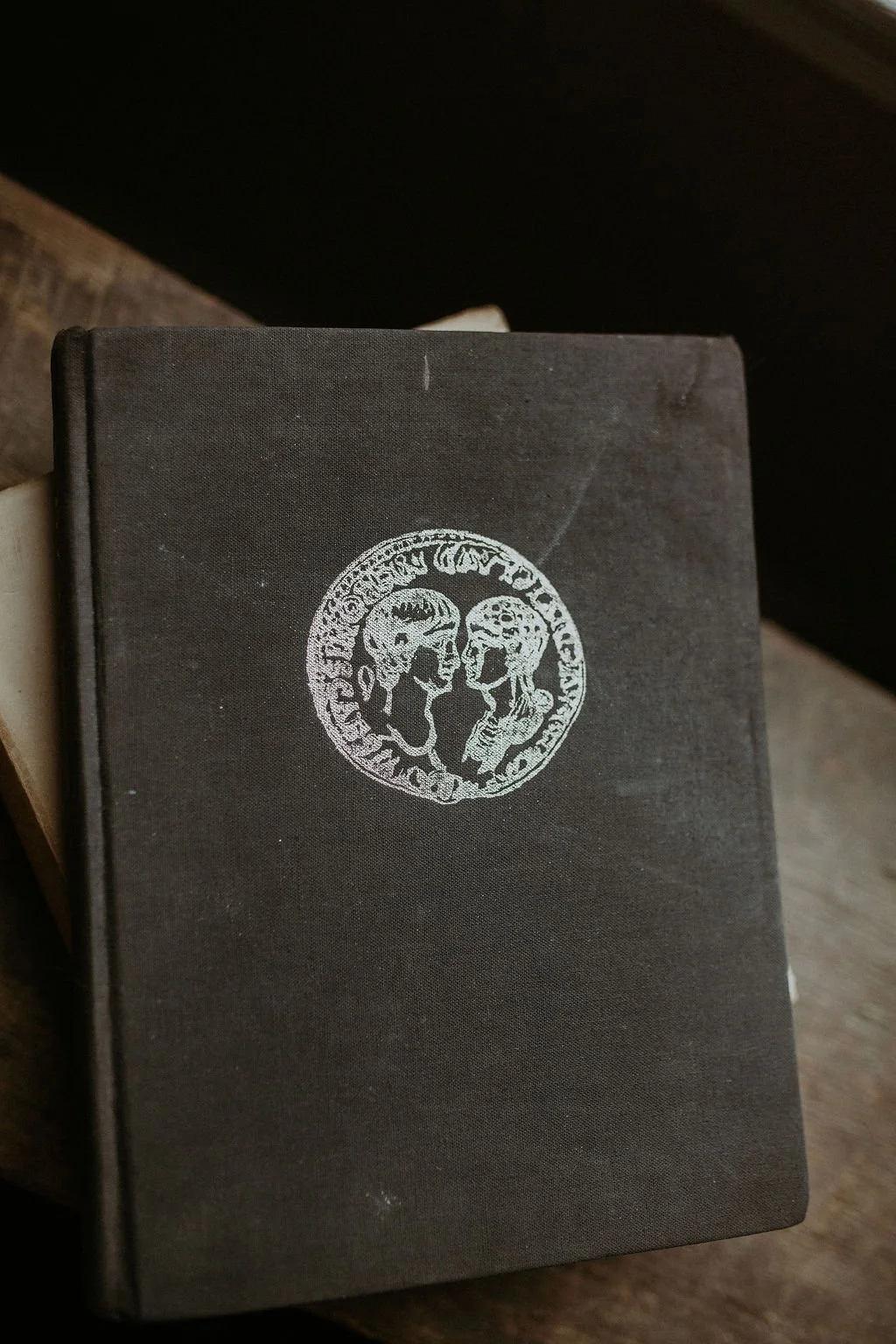
Deepen your library’s historical narrative with this exceptionally preserved 1970 first edition of Michael Grant's Nero: Emperor in Revolt. Known for his balanced and vivid appraisals of antiquity, Grant provides a compelling biography that seeks to understand the man behind the myth of Rome's most notorious ruler.
Aesthetic & Collector Details
This specific volume is a masterpiece of mid-century book design, combining scholarly weight with striking visual appeal.
Signature Binding: The book is bound in premium charcoal-black cloth, which remains vibrant and shows only the faintest signs of shelfwear.
Silver-Stamped Medallion: The front cover features a brilliant, silver-stamped Roman coin motif, depicting a classical profile that catches the light with a moonlit shimmer.
Richly Illustrated: Unlike standard biographies, this edition is profusely illustrated with color and black-and-white plates, including Roman frescoes, artifacts from Pompeii, and classical engravings.
Italian Artistry: This edition was meticulously printed in Italy by LIBREX Milano, reflecting the high production standards of the era.
Condition & Character
Structural Integrity: The spine is strong and square, with crisp, clean pages that have been well-preserved over the last 55 years.
Authentic Patina: As a genuine vintage artifact, it possesses a dignified presence that adds immediate "Old World" authority to any collection or "Dark Academia" styled space.
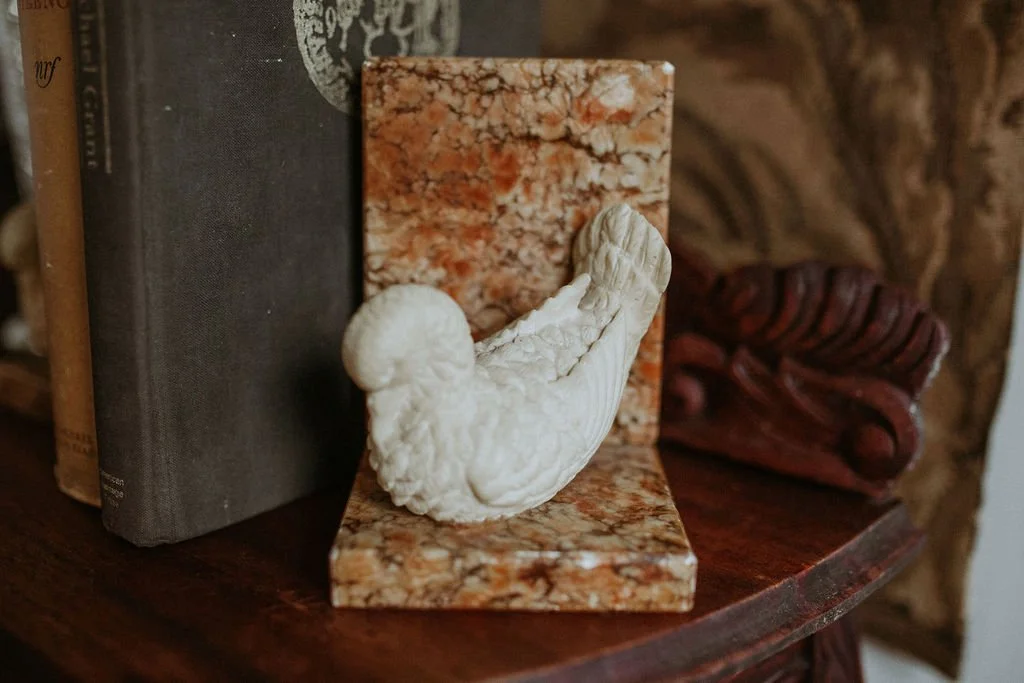
Elevate your library with the serene beauty of this pair of Vintage Italian Alabaster Bookends. Masterfully carved and rich in natural texture, these pieces bring a sense of Old World tranquility and scholarly refinement to any bookshelf or study.
Timeless Sculptural Design
These bookends are a celebration of organic materials and classical animalier sculpture, designed to hold your most treasured volumes with grace.
Hand-Carved Alabaster Doves: Each bookend features a meticulously detailed dove, captured in a peaceful, nested pose. The creamy white alabaster showcases delicate feather textures and a soft, matte finish that glows under library lighting.
Rich Marble Bases: The figures are mounted on substantial, L-shaped bases crafted from authentic Italian marble. The stone features a dramatic "brecciated" patterning, with warm earth tones of sienna, ochre, and cream that vary beautifully between the two pieces.
Italian Craftsmanship: These pieces reflect the long-standing tradition of Italian stone carving, offering a heavy, weighted presence that is as functional as it is decorative.
Curation & Styling
The neutral yet warm palette of these bookends makes them incredibly versatile for various interior aesthetics:
The Sophisticated Study: Pair them with leather-bound classics or vintage French philosophy texts to create an intellectual focal point.
Mediterranean or Neoclassical Decor: Their stone construction complements sun-drenched rooms, linen textiles, and other natural materials.
A Symbolic Gift: Doves traditionally represent peace and love, making these a thoughtful housewarming or wedding gift for the bibliophile in your life.
"A peaceful pairing of soft alabaster and mountain-born marble, crafted to guard your favorite stories."
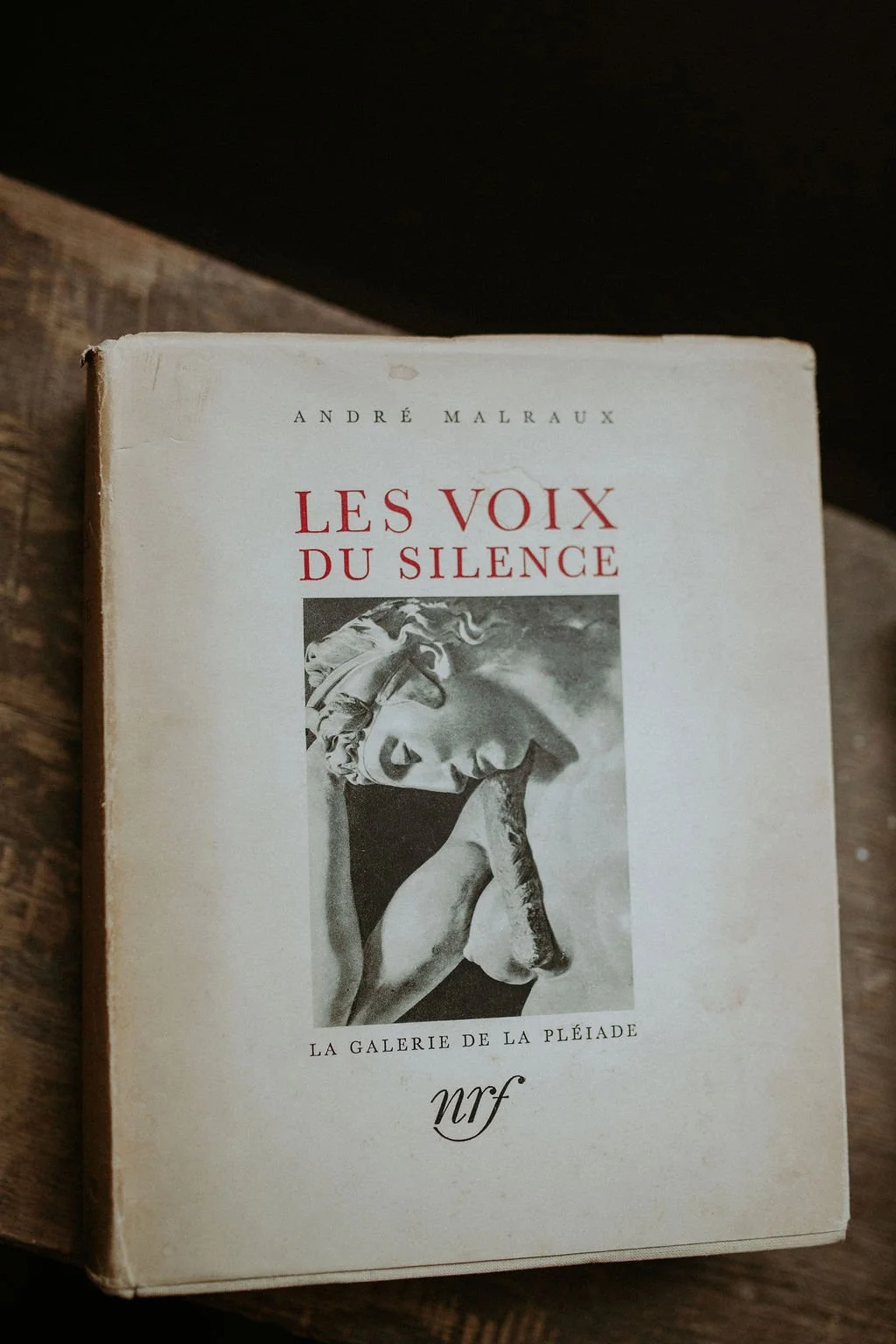
Step into the intellectual heart of mid-century France with this stunning vintage edition of "Les Voix du Silence" (The Voices of Silence). Authored by the legendary philosopher and statesman André Malraux, this volume was published in 1951 as a cornerstone of the prestigious La Galerie de la Pléiade collection by NRF(Nouvelle Revue Française).
The "Museum Without Walls"
In this monumental work, Malraux revolutionized how we perceive art, introducing his famous theory of the "Musée Imaginaire" (Museum without Walls). He argues that through reproduction, art is liberated from the confines of physical museums, allowing for a global, timeless conversation between civilizations.
Aesthetic & Collector Details
This specific 1951 edition is a beautiful example of classic French book design, characterized by its elegant minimalism and scholarly weight.
Distinctive Cover: Features the iconic NRF red and black typography on a soft cream background, a hallmark of high-brow French publishing.
Classical Iconography: The cover is centered by a striking monochrome detail of a classical sculpture, perfectly mirroring the book’s exploration of the human spirit through the ages.
The Pléiade Heritage: To own an NRF Pléiade edition from this era is to own a piece of literary history, curated by one of the world's most respected publishing houses.
Condition & Character
This volume has aged with exceptional grace, acquiring a warm patina that only seventy-plus years of history can provide.
Authentic Vintage Feel: The covers show light, natural toning and gentle shelf wear at the corners, affirming its journey from a 1950s Parisian library to your collection.
Sturdy Presence: A substantial volume that feels significant in the hand, making it an ideal anchor for a curated bookshelf or a sophisticated mantle display.
A Sophisticated Addition
Whether you are an art historian, a collector of fine French literature, or someone who appreciates the beauty of "Old World" intellectualism, this 1951 first-run edition of Les Voix du Silence is a profound statement piece.
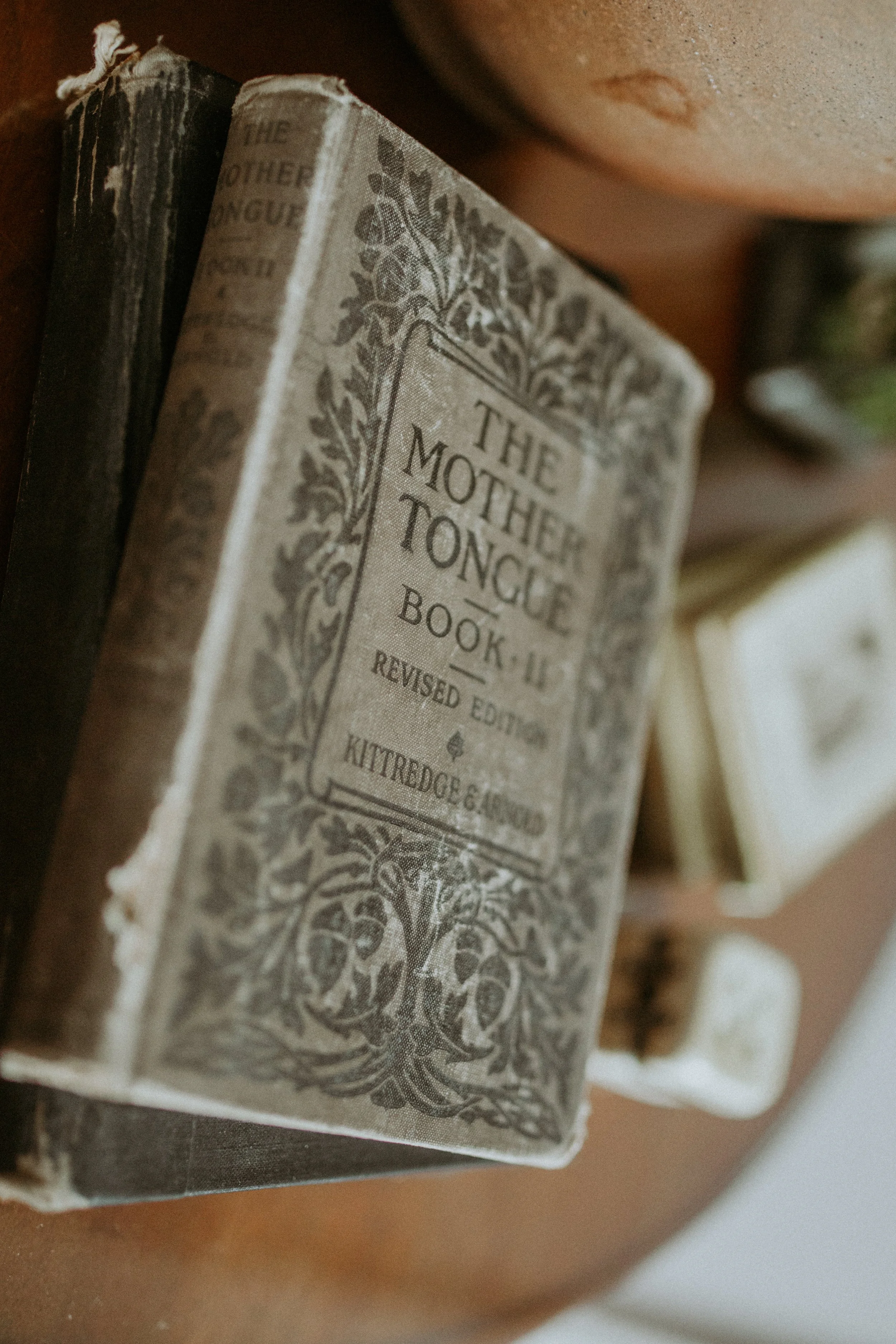
Step into the intellectual world of over a century ago with this charming antique copy of "The Mother Tongue, Book II." Likely published in the early 1900s, this educational treasure is a genuine piece of literary history.
The book's hardcover features an ornate, embossed design that speaks to the craftsmanship of its era. Its aged, textured surface tells a story of countless hands turning its pages, making it a tangible artifact of education. This volume is a beautiful decorative piece and a conversation starter for any lover of history or vintage aesthetics.
Features:
Authentic Antique: A genuine copy of an early 20th-century textbook.
Ornate Embossed Cover: A beautifully designed, textured hardcover.
Historical Date: Circa early 1900s.
Charming Patina: Shows natural signs of age and wear.

A refined trio pairing the elegance of French literature with the artistry of English landscape masters. Timeworn spines, warm neutral tones, and softly aged pages make this set an effortless statement for your coffee table or bookshelf—where sophistication meets old-world romance.
Antique French & English art volumes
Beautifully aged with natural patina
Ideal for décor, styling, or gifting
Timeless neutral palette
This stunning volume is a 1947 French edition of J.M. Barrie’s timeless classic, Peter Pan, published by the esteemed Librairie Hachette in Paris. Part of the renowned "Bibliothèque Rose Illustrée" series, this book was personally discovered at a charming book market located just outside a Paris metro station during a professional antique sourcing tour.
Design & Bibliographic Details
Cover: The book is bound in a vibrant red cloth with intricate gilded embossing on the front cover and spine.
Illustration: The cover features a whimsical cherub and ornate scrolling, typical of the high-quality decorative bindings of the era.
Title Page: The interior includes the French titles Peter Pan dans les Jardins de Kensington and Peter Pan et Wendy.
Translation & Art: This version was adapted for children by May Byron, translated by Madeleine Chabrier, and features illustrations by A. Pécoud.
Provenance: Sourced from a Parisian street market, this 1947 volume reflects a sustained interest in curating historical literature and French engravings.
Styling & Collectibility
Decorative Appeal: With its striking red and gold palette, this book serves as a perfect styling element for a curated bookshelf, a mantel, or an antique riser.
Gift Potential: A thoughtful and unique gift for collectors of mid-century French literature, history, or vintage children's books.
Condition: This 1947 volume is in good condition, showing a gentle, authentic patina on the edges and spine that confirms its historical character.