 Image 1 of 3
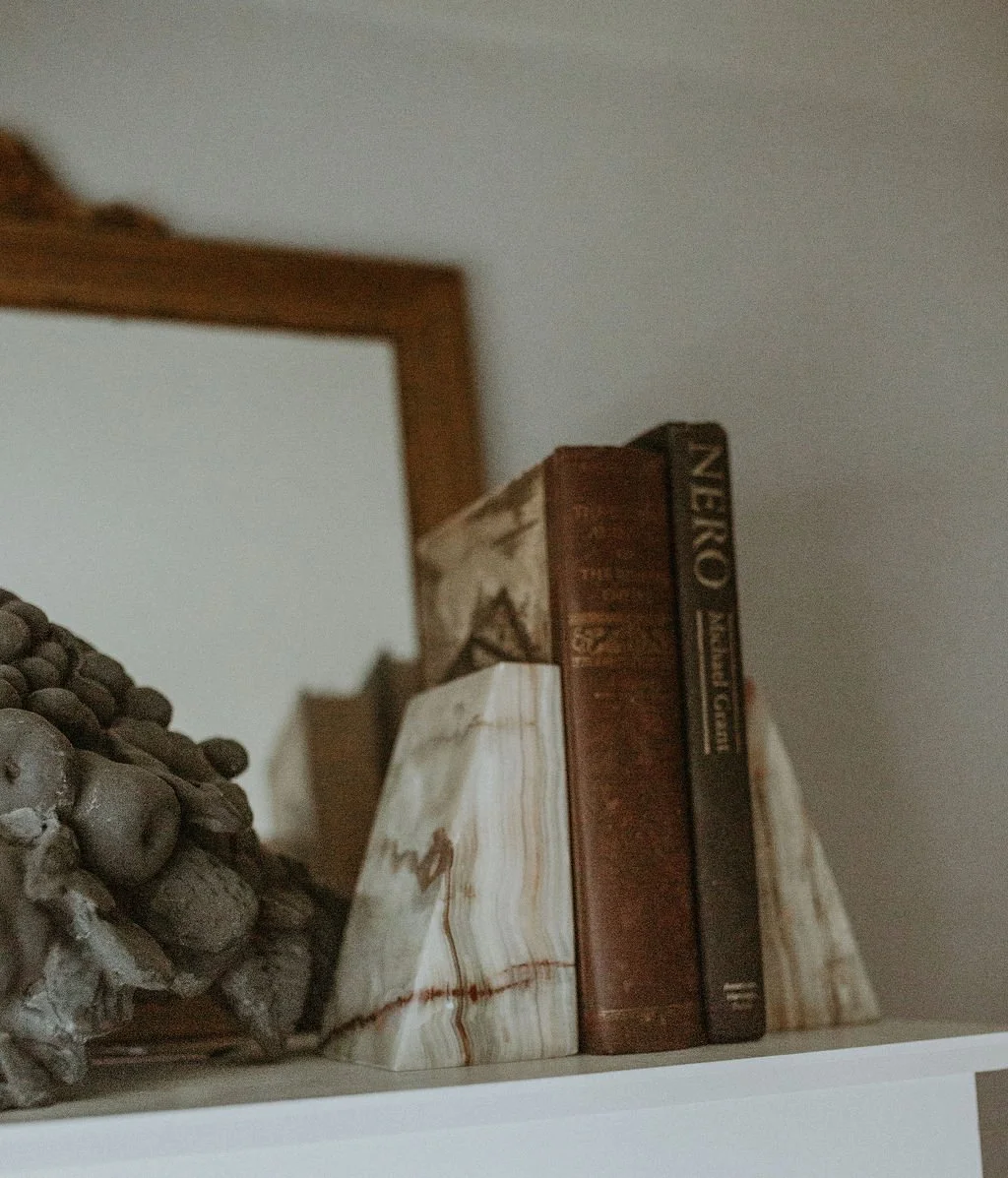 Image 2 of 3
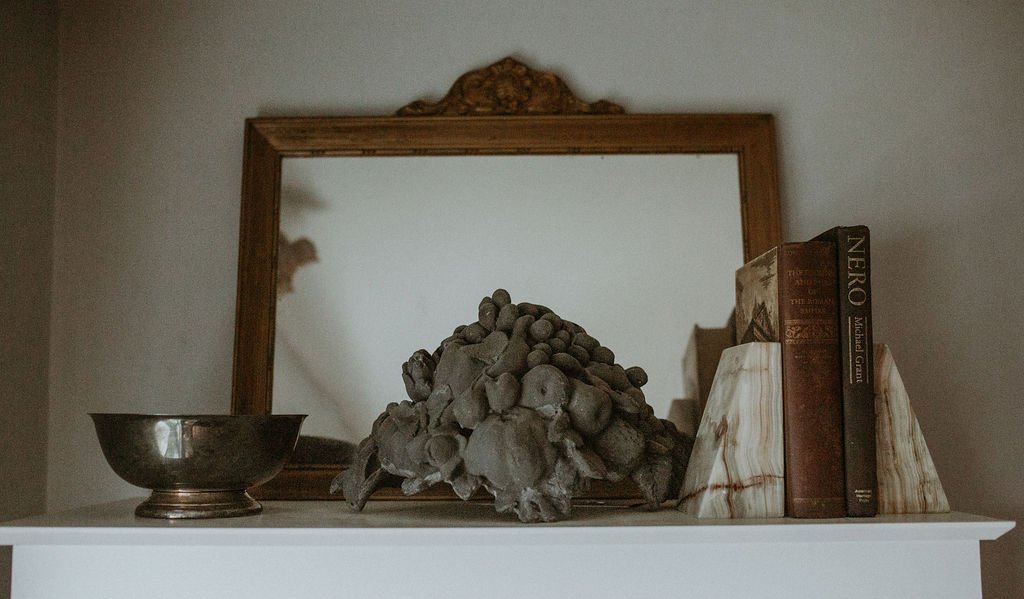 Image 3 of 3
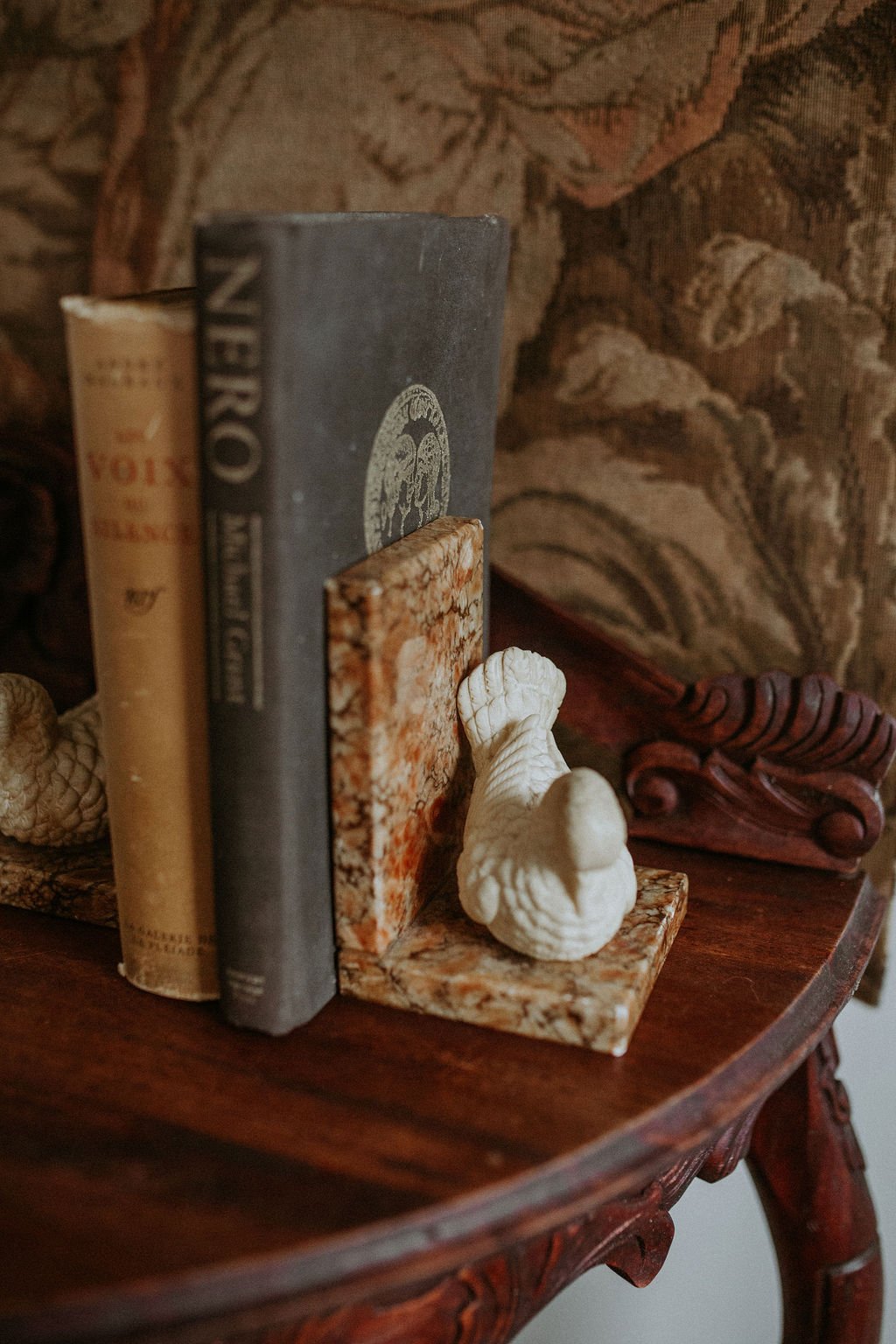
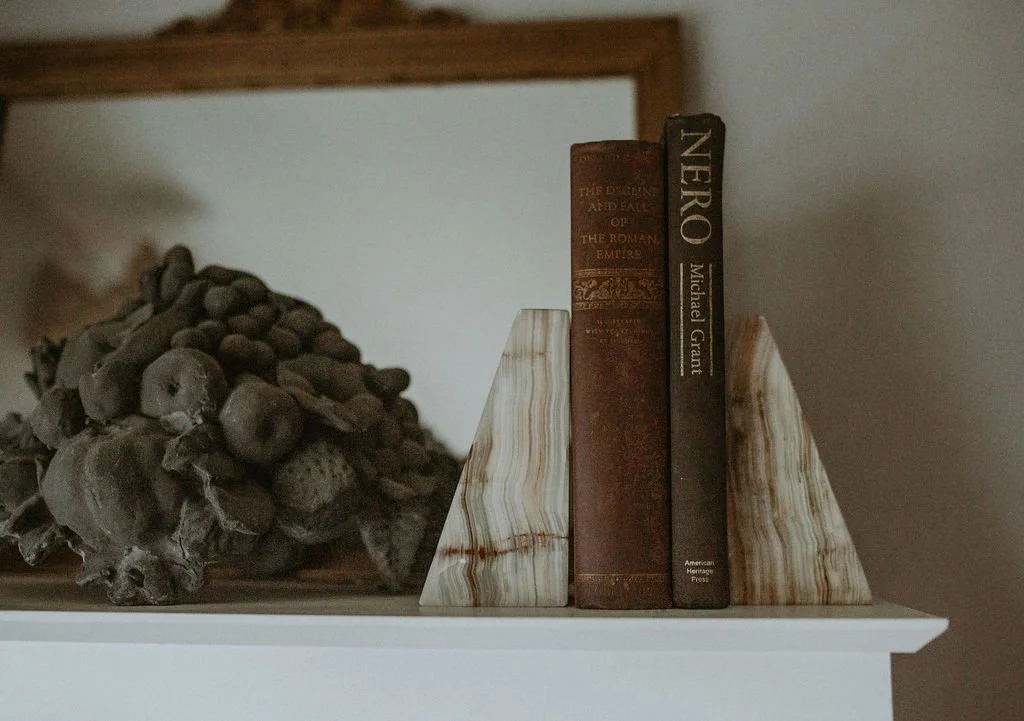
These onyx-marble bookends are a sophisticated marriage of brutalist geometry and the soft, organic beauty of natural stone. Carved into striking triangular silhouettes, they offer a timeless, architectural presence that grounds any literary collection with a sense of "Old World" permanence.
Each bookend is a unique specimen, showcasing deep, earth-toned veining in shades of cream, rust, and amber. The polished surfaces reveal the prehistoric layers of the stone, creating a mesmerizing visual texture that shifts beautifully under library lighting.
Material: Authentic, heavy-weighted onyx-marble.
Design: Minimalist triangular form, allowing the natural stone patterns to remain the focal point.
Stability: Their substantial weight ensures even the most monumental volumes—from leather-bound classics to modern art books—remain perfectly upright.
Condition: Excellent vintage condition, featuring smooth, polished edges and a cool-to-the-touch finish.
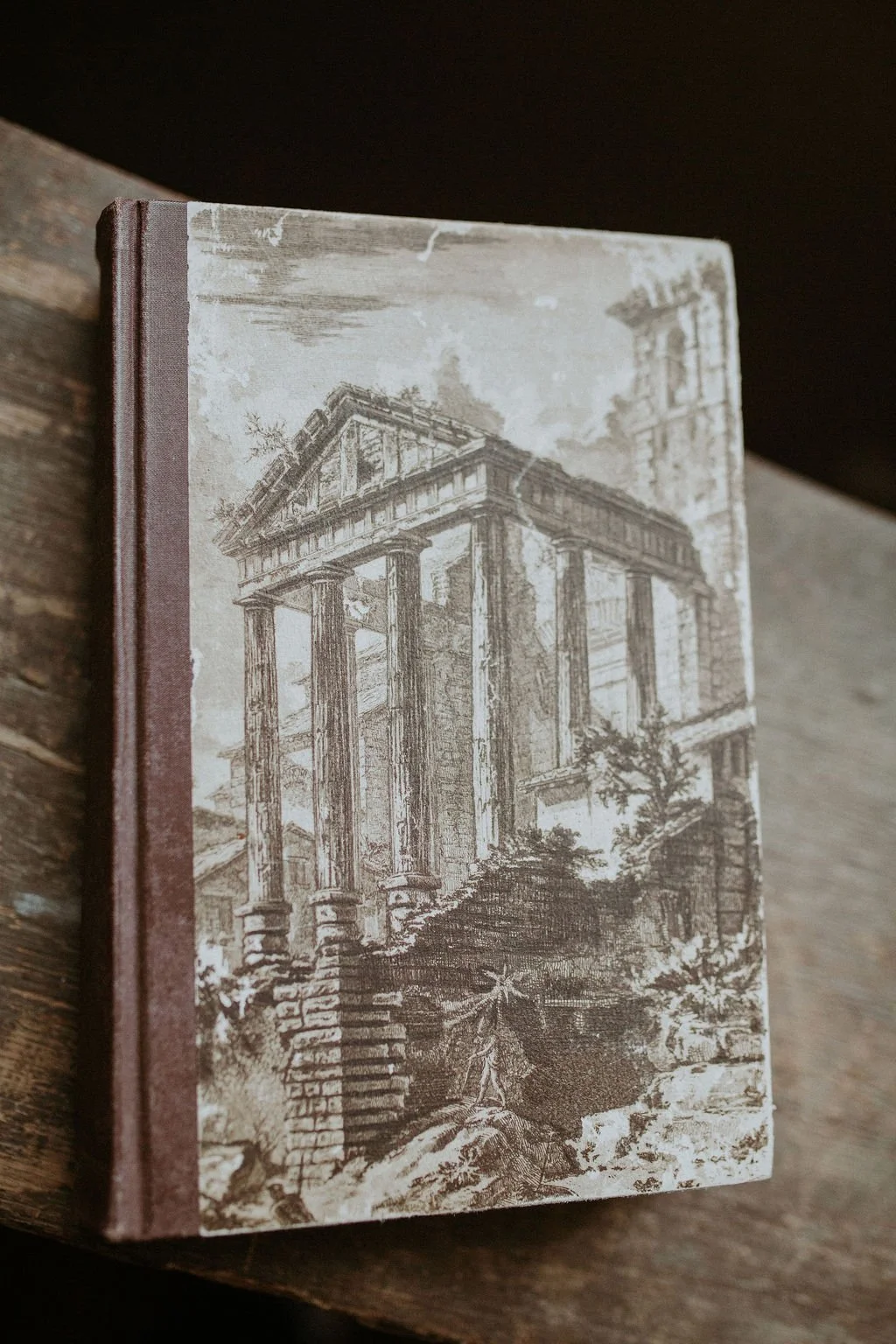
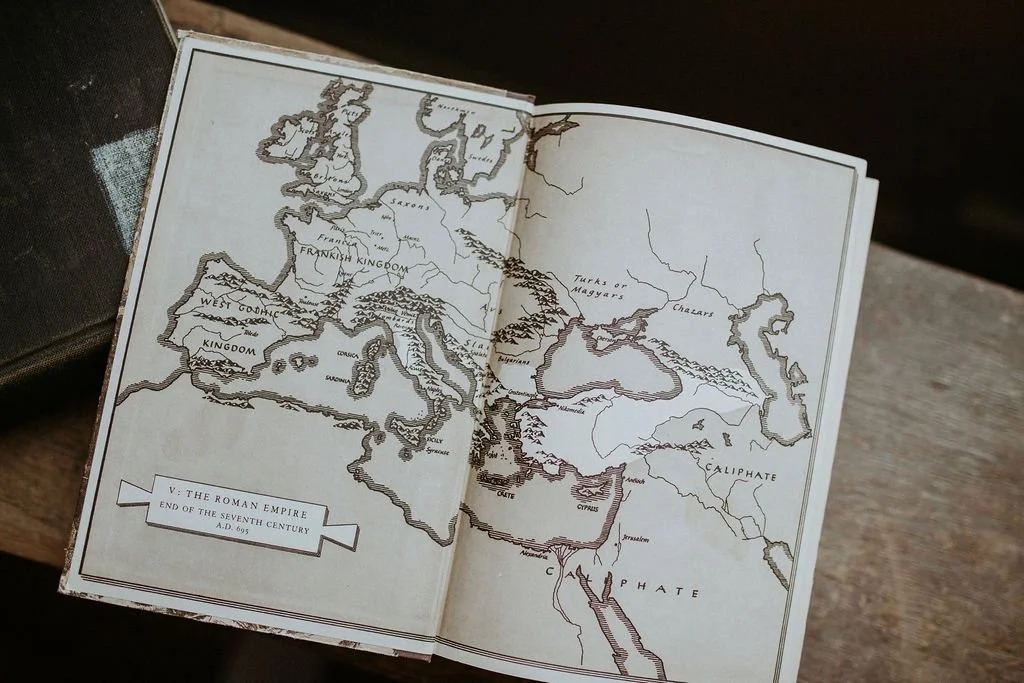
Style these bookends on a white mantle or bookshelf to create a sharp, high-contrast look. Pair them with dark, cloth-bound histories like Gibbon’s The Decline and Fall of the Roman Empire to lean into a classic "Dark Academia" aesthetic.
Position the bookends near other organic textures, such as a carved stone fruit cluster or a piece of architectural salvage. The interplay between the polished marble and more rugged, matte materials highlights the sophisticated finish of the stone.
Use a single bookend to prop up a small stack of daily journals next to a crystal and brass casket. The warmth of the marble veining complements brass accents perfectly, adding a touch of luxe materiality to a contemporary workspace.
"A testament to the quiet power of nature, these bookends transform a simple row of books into a curated exhibition of geological art."
These onyx-marble bookends are a sophisticated marriage of brutalist geometry and the soft, organic beauty of natural stone. Carved into striking triangular silhouettes, they offer a timeless, architectural presence that grounds any literary collection with a sense of "Old World" permanence.
Each bookend is a unique specimen, showcasing deep, earth-toned veining in shades of cream, rust, and amber. The polished surfaces reveal the prehistoric layers of the stone, creating a mesmerizing visual texture that shifts beautifully under library lighting.
Material: Authentic, heavy-weighted onyx-marble.
Design: Minimalist triangular form, allowing the natural stone patterns to remain the focal point.
Stability: Their substantial weight ensures even the most monumental volumes—from leather-bound classics to modern art books—remain perfectly upright.
Condition: Excellent vintage condition, featuring smooth, polished edges and a cool-to-the-touch finish.
Style these bookends on a white mantle or bookshelf to create a sharp, high-contrast look. Pair them with dark, cloth-bound histories like Gibbon’s The Decline and Fall of the Roman Empire to lean into a classic "Dark Academia" aesthetic.
Position the bookends near other organic textures, such as a carved stone fruit cluster or a piece of architectural salvage. The interplay between the polished marble and more rugged, matte materials highlights the sophisticated finish of the stone.
Use a single bookend to prop up a small stack of daily journals next to a crystal and brass casket. The warmth of the marble veining complements brass accents perfectly, adding a touch of luxe materiality to a contemporary workspace.
"A testament to the quiet power of nature, these bookends transform a simple row of books into a curated exhibition of geological art."