 Image 1 of 2
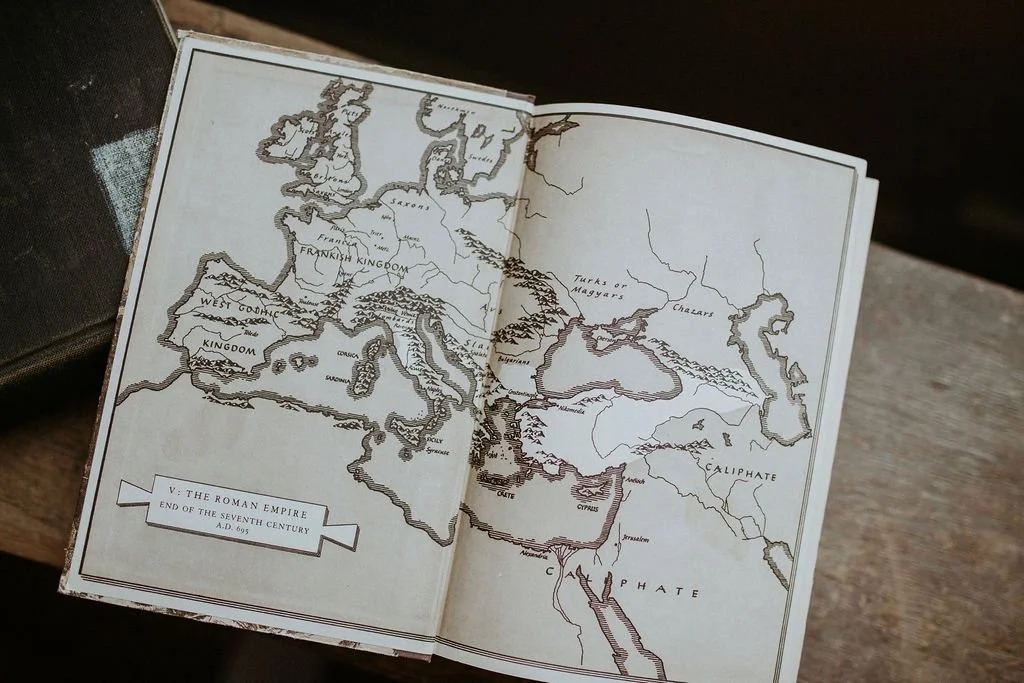 Image 2 of 2
This volume is a visually stunning edition of Edward Gibbon’s seminal work, The History of the Decline and Fall of the Roman Empire. A cornerstone of historical literature, this specific copy is distinguished by its evocative cover art and academic presence, making it a definitive centerpiece for any serious library or "Dark Academia" collection.
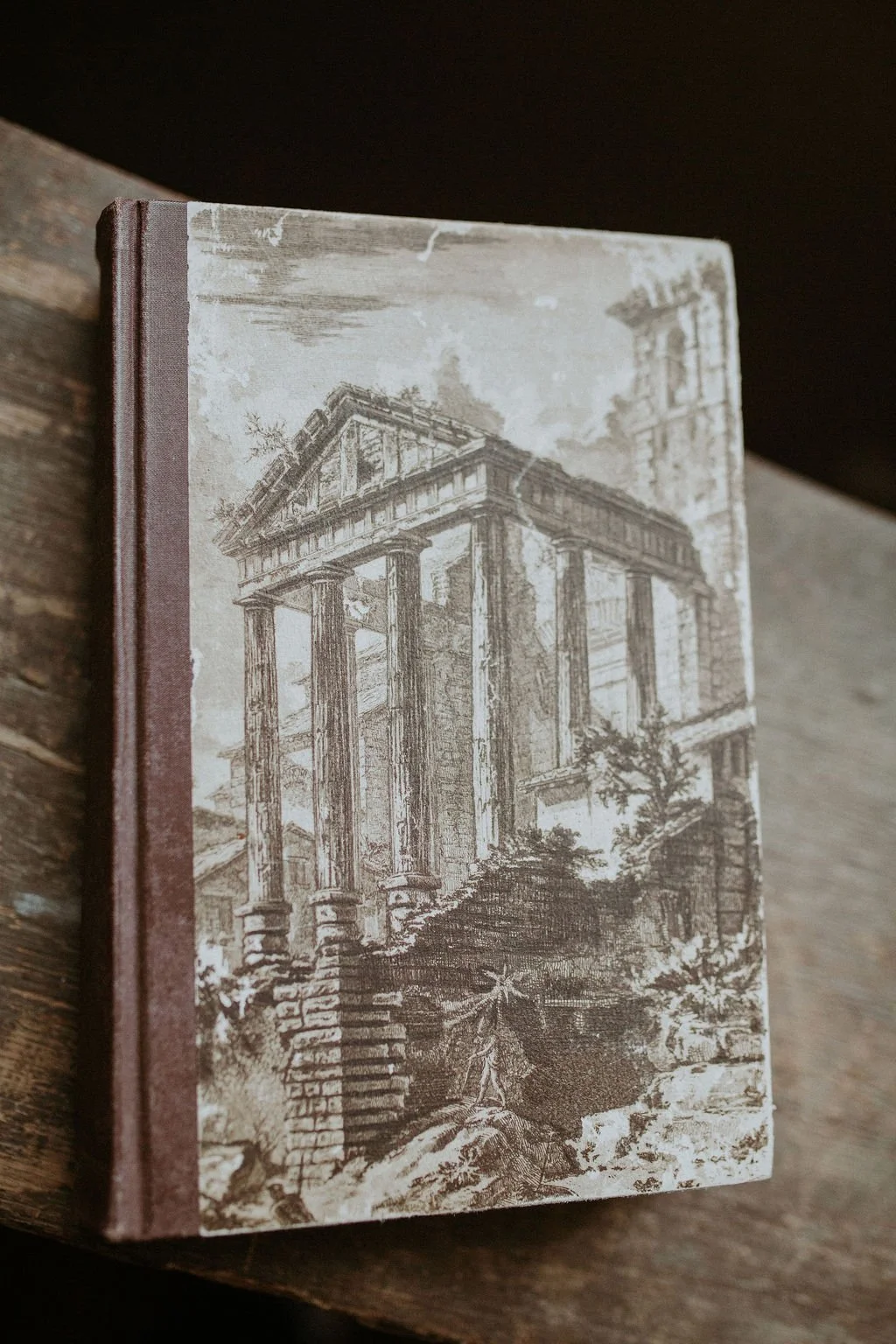
The front cover features a sprawling, sepia-toned illustration of classical Roman ruins, likely inspired by the romanticized etchings of the 18th century. The imagery of towering, weathered columns and crumbling pediments serves as a perfect visual metaphor for the monumental subject matter contained within the pages.
Binding: Crafted with a deep mahogany cloth spine that offers a refined, tactile contrast to the illustrated boards.
Aesthetic: The combination of detailed line work and a somber, earthy palette evokes the feeling of a rare find from a scholar’s private study.
Scale: A substantial hardcover volume that provides the necessary weight to anchor a shelf or a tabletop vignette.
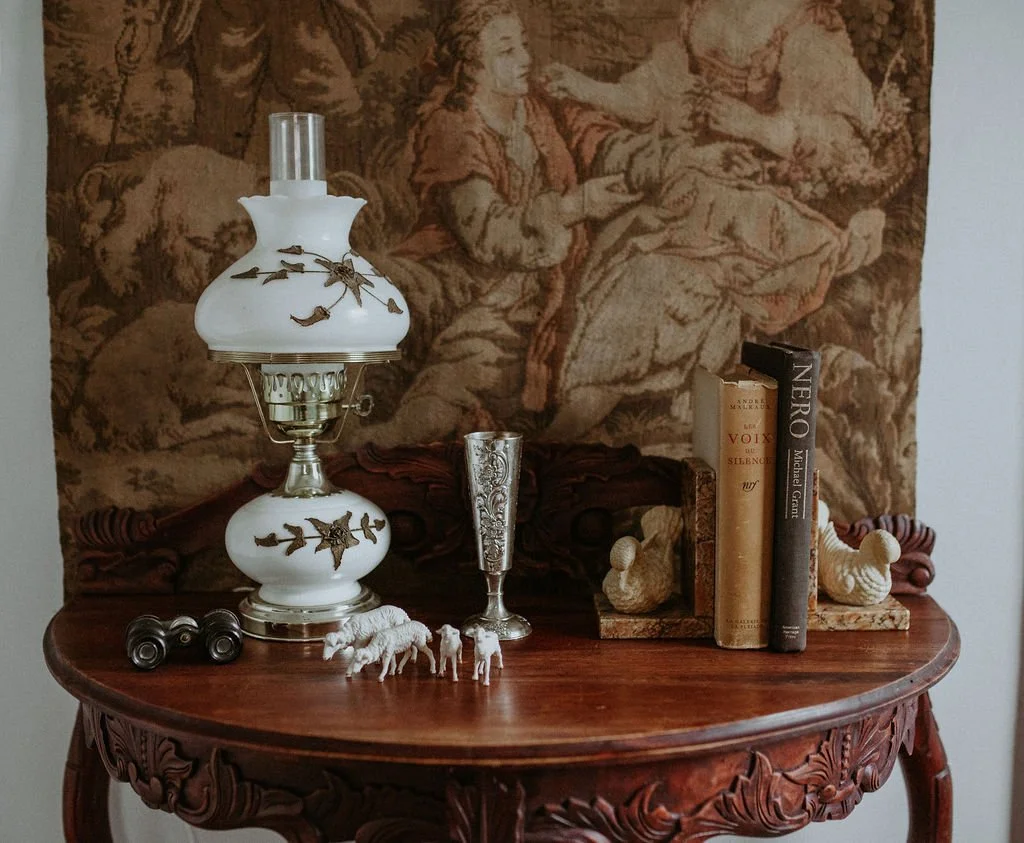
Pair this book with the Antique Onyx-Marble Triangular Bookends. The natural, prehistoric veining of the stone complements the architectural ruins on the book's cover, creating a thematic display that honors the permanence of history and the beauty of decay.
Position the volume alongside the Antique Brass Theater Opera Glasses or a period Napoleon portrait. The warm metallic tones of the brass and the regal gold of the portrait's easel stand draw out the subtle sepia highlights of the book's cover art, resulting in a rich, layered aesthetic.
Place the book at the base of a stack featuring the 1838 edition of Moore’s Melodies. The transition from the textured cloth of the Roman Empire to the smooth, gilt-stamped leather of Moore’s creates a sophisticated chronological and material narrative for your bookshelf.
"A monumental work housed in a vessel of equal gravity, this edition invites the reader to wander through the ruins of an empire from the comfort of a well-curated home."
This volume is a visually stunning edition of Edward Gibbon’s seminal work, The History of the Decline and Fall of the Roman Empire. A cornerstone of historical literature, this specific copy is distinguished by its evocative cover art and academic presence, making it a definitive centerpiece for any serious library or "Dark Academia" collection.
The front cover features a sprawling, sepia-toned illustration of classical Roman ruins, likely inspired by the romanticized etchings of the 18th century. The imagery of towering, weathered columns and crumbling pediments serves as a perfect visual metaphor for the monumental subject matter contained within the pages.
Binding: Crafted with a deep mahogany cloth spine that offers a refined, tactile contrast to the illustrated boards.
Aesthetic: The combination of detailed line work and a somber, earthy palette evokes the feeling of a rare find from a scholar’s private study.
Scale: A substantial hardcover volume that provides the necessary weight to anchor a shelf or a tabletop vignette.
Pair this book with the Antique Onyx-Marble Triangular Bookends. The natural, prehistoric veining of the stone complements the architectural ruins on the book's cover, creating a thematic display that honors the permanence of history and the beauty of decay.
Position the volume alongside the Antique Brass Theater Opera Glasses or a period Napoleon portrait. The warm metallic tones of the brass and the regal gold of the portrait's easel stand draw out the subtle sepia highlights of the book's cover art, resulting in a rich, layered aesthetic.
Place the book at the base of a stack featuring the 1838 edition of Moore’s Melodies. The transition from the textured cloth of the Roman Empire to the smooth, gilt-stamped leather of Moore’s creates a sophisticated chronological and material narrative for your bookshelf.
"A monumental work housed in a vessel of equal gravity, this edition invites the reader to wander through the ruins of an empire from the comfort of a well-curated home."